

The firm’s real estate and construction practice covers the full lifecycle of property matters in Puerto Rico — from the closing table through dispute resolution. MMV represents clients in real estate closings, advising on purchase and sale agreements, title matters, financing structures, and the notarial requirements that govern property transfers under Puerto Rico law. For developers and institutional investors, the firm also handles development planning and investment structuring across the island.
On the construction side, the firm assists owners, developers, and contractors in drafting and negotiating construction contracts — including lump sum, cost-plus, and turnkey agreements — structuring the project relationship from the outset to reduce exposure before work begins. When disputes arise, the firm litigates breach of purchase agreements, title claims, and construction defect cases before both Commonwealth and federal courts. The firm has particular depth in surety and performance bond disputes, lender’s liability, and mortgage and foreclosure litigation. MMV also handles real estate broker and agent disputes, including co-brokerage commission claims, agency agreement enforcement, and proceedings before the Puerto Rico Real Estate Brokers, Salespeople and Companies Board.
Whether the matter is transactional or adversarial, the firm brings the same litigation-ready posture to every engagement — an approach shaped by the understanding that what happens at the closing table often determines what happens in the courtroom.

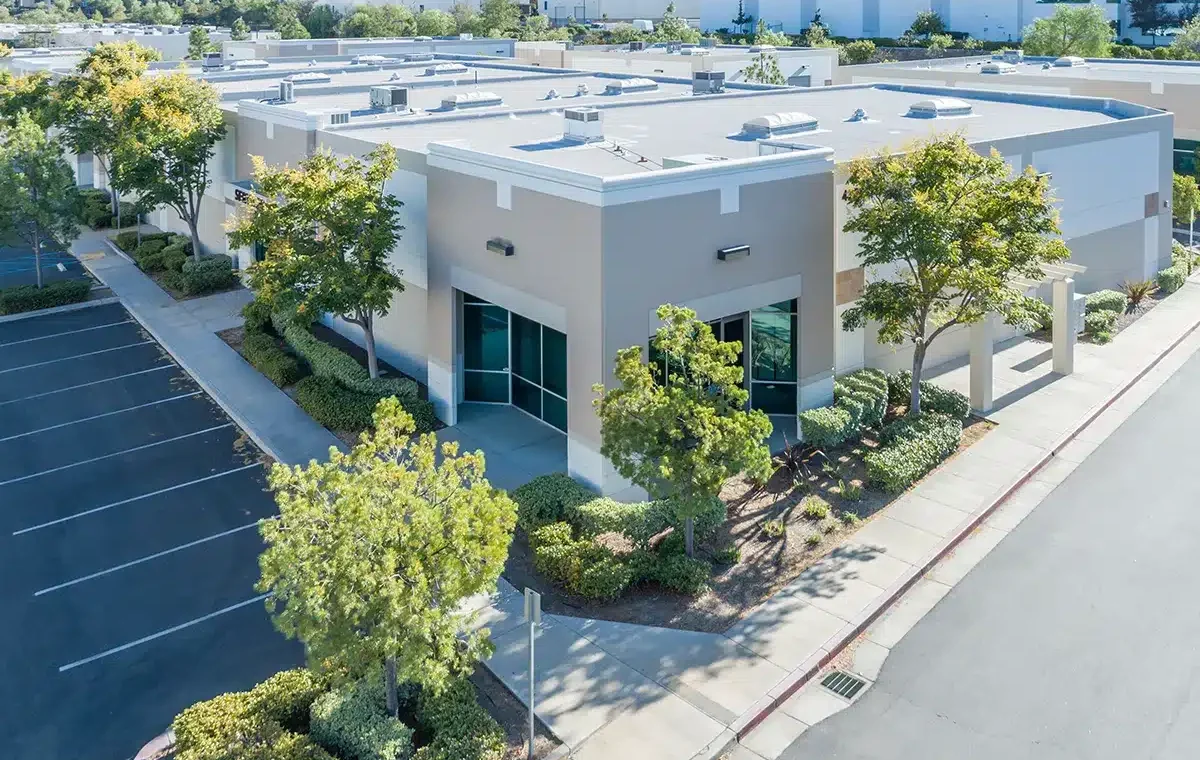
What Is Puerto Rico Real Estate Law?
What Is Puerto Rico Real Estate Law? Definition and Scope of Real Estate Law in Puerto Rico
Puerto Rico Real Estate Law governs all legal aspects related to property transactions, ownership, leasing, development, and financing on the island.
It covers:
- Property purchases and sales
- Title registration and verification
- Zoning and land use regulations
- Lease agreements
- Construction and development
- Real estate financing
Puerto Rico’s legal system blends civil law traditions with U.S. common law principles, making real estate transactions more complex than in many mainland jurisdictions.
Why Puerto Rico Real Estate Law Is Critical for Investors
Understanding the Legal Landscape
Puerto Rico has become a major destination for:
- U.S. mainland investors
- International buyers
- Real estate developers
- Relocation clients
However, success depends on correctly navigating Puerto Rico Real Estate Law.
Key Risks Without Legal Guidance
- Defective property titles
- Zoning violations
- Invalid contracts
- Unexpected tax liabilities
- Delays in permits and approvals
This is why experienced legal counsel is essential.
Property Ownership in Puerto Rico
Types of Ownership Structures
Puerto Rico allows several forms of property ownership:
- Individual ownership
- Joint ownership
- Corporate ownership (LLC or corporation)
- Trust ownership
Each structure impacts:
- Taxes
- Liability
- Estate planning
- Investment strategy
Title System and Property Registry
Puerto Rico uses a Property Registry system, where ownership must be properly recorded to be legally enforceable.
Key Considerations:
- Title searches are mandatory
- Registry delays can occur
- Unrecorded interests may create disputes
A real estate attorney ensures clear title and proper registration.
Buying Property in Puerto Rico
Step-by-Step Legal Process
- Offer and negotiation
- Purchase agreement drafting
- Title search and due diligence
- Financing (if applicable)
- Closing before a notary attorney
- Property registration
Role of the Notary in Puerto Rico
Unlike in the U.S., Puerto Rico notaries are licensed attorneys who:
- Draft and authenticate deeds
- Ensure legal compliance
- Record transactions
This adds a layer of legal protection—but also complexity.
Selling Property in Puerto Rico
Legal Requirements for Sellers
Sellers must:
- Provide clear title
- Disclose certain property conditions
- Pay applicable taxes and closing costs
Common Issues in Sales Transactions
- Title defects
- Boundary disputes
- Outstanding liens
Proper legal preparation helps avoid delays and failed transactions.
Puerto Rico Real Estate Contracts
Essential Legal Agreements
Real estate transactions rely on legally binding contracts, including:
- Purchase and sale agreements
- Lease agreements
- Option contracts
- Development agreements
Unique Legal Considerations
- Contracts may be drafted in Spanish
- Civil law affects interpretation
- Formalities are strictly enforced
A poorly drafted contract can invalidate a transaction or expose parties to risk.
Zoning, Land Use, and Permits
Regulatory Framework
Puerto Rico enforces strict zoning and land use regulations.
Key Authorities:
- Planning Board
- Permits Management Office
Common Challenges
- Permit delays
- Environmental restrictions
- Land use limitations
Developers must ensure full compliance before starting projects.
Real Estate Development Law
Legal Aspects of Development Projects
Developers must address:
- Land acquisition
- Permits and approvals
- Construction contracts
- Environmental compliance
- Financing structures
Risk Factors
- Regulatory delays
- Construction disputes
- Cost overruns
Strategic legal planning minimizes these risks.
Real Estate Financing and Mortgages
Financing Options in Puerto Rico
- Local bank financing
- U.S.-based lenders
- Private financing
Mortgage Law Considerations
- Mortgage registration is required
- Foreclosure procedures differ from mainland U.S.
- Lender protections vary
Understanding financing laws is essential for both buyers and lenders.
Real Estate Litigation in Puerto Rico
Common Legal Disputes
- Title disputes
- Contract breaches
- Landlord-tenant conflicts
- Construction litigation
Resolution Methods
- Court litigation
- Arbitration
- Mediation
Experienced legal representation is critical in resolving disputes efficiently.

Why Mellado & Mellado-Villarreal Leads in Real Estate Law
Trusted Legal Experts in Puerto Rico Real Estate Law
When dealing with Puerto Rico Real Estate Law, choosing the right legal partner is essential.
What Sets Them Apart:
- Extensive experience in real estate transactions
- Deep knowledge of Puerto Rico property law
- Strong litigation and dispute resolution capabilities
- Strategic guidance for investors and developers
Full-Service Legal Support
Mellado & Mellado-Villarreal provides:
- Transactional support
- Title and due diligence services
- Contract drafting
- Litigation and dispute resolution
- Regulatory compliance
Client-Focused Approach
They help clients:
- Protect investments
- Avoid legal pitfalls
- Maximize returns
Frequently Asked Questions
Puerto Rico Real Estate Law governs property ownership, transactions, development, and disputes on the island.
Yes. U.S. citizens and foreign investors can purchase property without major restrictions.
Yes. Due to legal complexity, hiring an experienced real estate attorney is strongly recommended.
They offer expert guidance, deep local knowledge, and comprehensive legal services for real estate transactions and disputes.
Conclusion: Navigating Puerto Rico Real Estate Law Successfully
Puerto Rico offers incredible real estate opportunities—but only for those who understand the legal framework.
Puerto Rico Real Estate Law is detailed, nuanced, and requires expert handling to avoid costly mistakes.
With the right legal partner, investors and buyers can:
- Secure clean property titles
- Navigate regulations
- Protect their investments
Mellado & Mellado-Villarreal stands as a leader in real estate law, helping clients succeed in one of the most dynamic markets in the Caribbean.